Approach to AI Visibility Audit Service – What You Need to Know
Understanding AI Visibility Audits
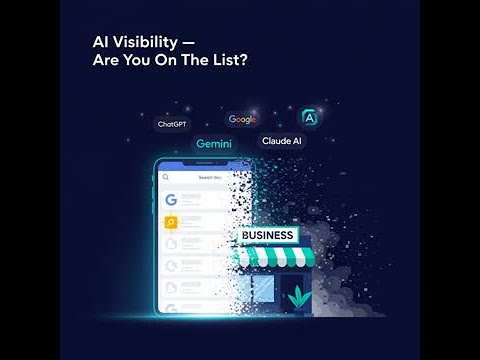
An AI visibility audit examines how your brand, products, or services appear in the answers generated by large language models (LLMs) such as ChatGPT, Claude, or Gemini. The audit looks at both the frequency of mentions and the context in which they appear, helping you gauge whether AI‑driven conversations are reinforcing your desired image. By identifying gaps, biases, and missed opportunities, the audit provides a roadmap for improving signal in AI outputs. This insight is increasingly valuable as more customers rely on AI chat interfaces for research and purchase decisions.
In practice, an AI visibility audit service collects search‑style queries, runs them through multiple LLMs, and analyzes the resulting text for brand presence, sentiment, and relevance. The resulting report typically includes a visibility score, a competitor comparison, and actionable recommendations. For businesses that already invest in SEO, the audit adds a new layer of intelligence that aligns traditional search visibility with emerging AI answer visibility.
Who Benefits Most from an AI Visibility Audit Service?
Marketing teams that manage brand reputation find immediate value because the audit surfaces how the brand is portrayed in AI‑generated content. SaaS companies that depend on product discovery through AI assistants can use the findings to fine‑tune their messaging and data feeds. Enterprises with large content libraries benefit by learning which assets are most likely to be referenced by LLMs, allowing them to prioritize updates.
Customer support organizations also gain, as they can see whether AI‑powered self‑service tools provide accurate answers about policies, pricing, or troubleshooting steps. Finally, investors and competitive intelligence groups use visibility scores to benchmark companies against industry peers, turning AI presence into a measurable KPI.
Core Features of a Robust AI Visibility Audit Service
A high‑quality audit service should deliver a balanced mix of automated analysis and expert interpretation. Below is a quick reference table that matches typical features with the benefits they provide.
| Feature | Benefit |
|---|---|
| Multi‑model query testing | Ensures visibility insights are consistent across different LLM providers. |
| Sentiment and context scoring | Shows not just presence but whether mentions are positive, neutral, or negative. |
| Competitor benchmark reports | Helps you understand relative standing and spot competitive gaps. |
| Actionable recommendation engine | Translates raw data into concrete steps for content, schema, and API improvements. |
| Dashboard with real‑time updates | Allows ongoing monitoring without waiting for a quarterly report. |
Beyond these core capabilities, many providers also include alerting mechanisms, integration hooks for existing analytics platforms, and periodic re‑audit cycles to track progress over time.
Step‑by‑Step Approach to Conducting an AI Visibility Audit
Following a clear methodology ensures you capture reliable data and can act on it effectively. The typical workflow consists of four phases:
- Define business objectives. Clarify whether you are focused on brand perception, product discovery, or support accuracy.
- Collect query sets. Gather a representative list of questions your customers are likely to ask, drawing from support tickets, search logs, and market research.
- Run the audit. Use the audit service’s platform to submit queries to multiple LLMs and capture the generated answers.
- Analyze and implement. Review the visibility report, prioritize recommendations, and integrate changes into your content or data pipelines.
Each phase should involve cross‑functional stakeholders to ensure the findings are aligned with broader marketing, product, and technical goals. Regular check‑ins after implementation help you measure the impact of changes and refine the approach over subsequent audit cycles.
Evaluating Service Providers – Key Decision Factors
Choosing the right partner for an AI visibility audit service can feel overwhelming, but focusing on the elements that matter most will simplify the process. Consider the following criteria before signing a contract:
- Methodology transparency. Providers should explain how they collect and score data.
- Coverage of major LLMs. The service must test against the models most used by your target audience.
- Customization options. Look for the ability to upload your own query sets and tailor reporting formats.
- Data security and privacy. Verify that your query data and audit results are stored securely and comply with relevant regulations.
- Support and expertise. A knowledgeable account team can help you interpret findings and translate them into strategic actions.
To deepen your understanding of how visibility is measured, you might read a guide to evaluating company visibility in large language model answers, which walks through the metrics and best practices used in the industry.
Common Use Cases and Real‑World Scenarios
Practical applications of an AI visibility audit illustrate its versatility across departments. Below are several scenarios where organizations have leveraged audit insights effectively:
- Updating product page schema to ensure LLMs surface correct pricing information.
- Refining brand voice guidelines after discovering inconsistent phrasing in AI responses.
- Prioritizing content creation for high‑impact queries that currently lack sufficient coverage.
- Aligning AI‑driven chatbots with verified FAQ content to reduce misinformation.
- Benchmarking against competitors to justify marketing spend on AI‑focused campaigns.
Each use case starts with the audit’s data, which then informs targeted interventions that improve both AI answer quality and overall brand trust.
Pricing Models and Budget Considerations
Pricing for an AI visibility audit service typically follows one of three structures: subscription‑based, per‑audit fees, or usage‑based pricing tied to the number of queries processed. Your choice will depend on audit frequency, the size of your query set, and the level of ongoing support you require.
| Model | Typical Cost Range (USD) | Best For |
|---|---|---|
| Monthly subscription | $2,000‑$5,000 | Businesses needing continuous monitoring and dashboard access. |
| One‑time audit | $1,500‑$3,500 | Companies that want a snapshot analysis without ongoing commitment. |
| Pay‑per‑query | $0.10‑$0.30 per query | Organizations with irregular audit cycles or small query sets. |
When budgeting, factor in additional costs for implementation (e.g., content updates, schema changes) and potential consulting fees if you need expert help interpreting the results. A clear ROI can often be demonstrated through improved click‑through rates from AI‑driven search experiences.
Integration, Setup, and Ongoing Support
Seamless integration with your existing analytics stack reduces friction and accelerates insight delivery. Look for providers that offer API endpoints, webhook alerts, or native connectors for platforms such as Google Data Studio, Tableau, or your internal BI tools. The initial setup typically involves uploading your query list, configuring model access tokens, and mapping the audit dashboard to your preferred reporting schedule.
Post‑audit, reliable support is essential. A responsive account manager can help you prioritize recommendations, while technical support should be able to troubleshoot data pipeline issues quickly. Many services also provide periodic re‑audits or automated alerts when visibility metrics dip below a defined threshold, ensuring you maintain a steady presence in AI answers over time.